

Are We Influencing People, Or Simply Sharing What Works for Us?

I recently had a conversation that got me thinking about something we probably don't talk about enough: influence.
Someone said to me:
“I'm not against either... I'm for ‘whatever works for you’ but beware emotive language as an influence.”
It made me stop and think.
And I'll be honest, I wondered whether my own words had triggered a reaction.
Perhaps they had.
I'd shared my personal experience of turning 50, taking a more natural approach and the changes I'd made along the way. I'd also offered to share a video showing a period when I wasn't doing what had been working for me, compared with what I experienced when I returned to my routine.
I wasn't trying to tell someone what they should do.
I was simply saying:
“This is my experience. If you'd like to hear more, I'm happy to share it.”
And that got me thinking about the difference between sharing, influencing, persuading and manipulating.
Of course our experiences influence people
Let's be honest, we are all influenced by other people.
That's how we discover things.
If I see someone using a travel accessory that makes their life easier, I might think:
“That looks useful , I'll check it out.”
If someone tells me they've found a kitchen gadget that saves them time cooking dinner, I might be interested enough to look into it.
If someone recommends a book, restaurant, walking route, skincare product or something they've discovered that makes their life easier, I might give it a try.
Their experience has influenced me.
But they haven't necessarily persuaded me.
And they certainly haven't necessarily manipulated me.
Sharing isn't telling someone what to do
For me, there's a big distinction between saying:
“This is what I've experienced you might want to look into it.”
and:
“This is what you should do, because this is the only thing that works.”
The first gives someone an opportunity to explore.
The second tells them what conclusion they should reach.
That's an important difference.
I think we should absolutely be mindful of the language we use, particularly when we're talking about health and wellbeing.
But I also don't think we should become so worried about influencing people that we stop sharing our experiences altogether.
Because personal experience matters.
My experience isn't proof that something will work for everyone.
But it is still my experience.
And if sharing that experience encourages someone to ask questions, do some research or explore an option they hadn't considered before, I don't think that's a bad thing.
Our words have power
I agree that emotive language can influence people.
Words such as toxic, dangerous, fake, nasty, harmful or miracle can create an emotional response before someone has even looked at the facts.
That's why I think we should be responsible with the words we choose.
But there is also a difference between sharing something passionately because it matters to you and deliberately using fear or exaggerated claims to make someone buy something or make a particular decision.
We shouldn't lose the human side of communication either.
Sometimes someone shares their story because they're excited.
Sometimes because something has genuinely helped them.
Sometimes because they wish someone had told them about it years ago.
That doesn't automatically make their story manipulative.
My own natural health journey
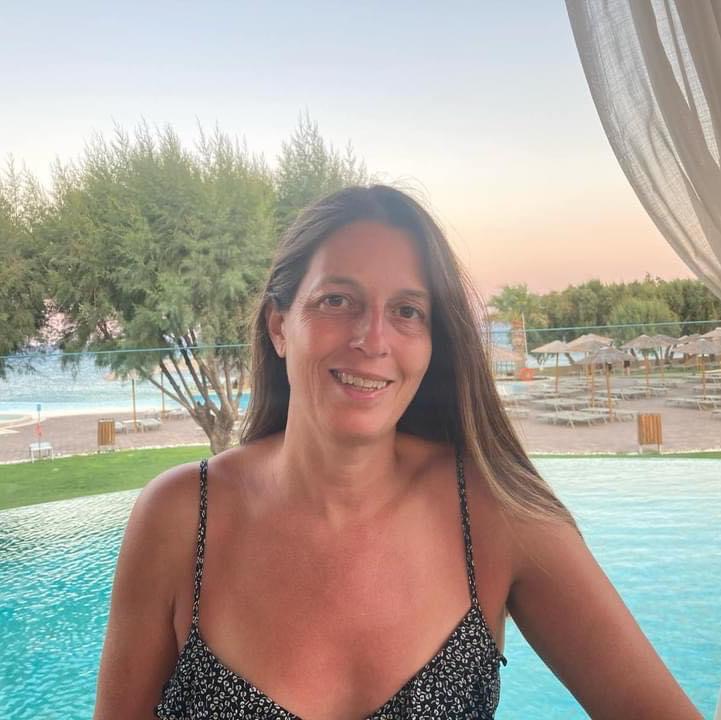
I've just turned 50, and my own journey with natural health has involved making changes, trying different things and becoming much more aware of what I'm putting into and onto my body.
I've learned that some things work brilliantly for me.
Other things don't.
I've also learned that what works for one person may not be right for another.
That's why I don't want to stand here and tell people:
“This is what you need to do.”
I'd much rather say:
“This is what I've experienced. This is what I've learned. If you're interested, come and explore it with me.”
There is a big difference.
We are all influenced
The irony is that influence is part of everyday life.
We are influenced by our friends, family, colleagues, social media, advertising, reviews, documentaries, conversations and even people we happen to meet.
Someone tells us about a holiday destination.
We book it.
Someone recommends a restaurant.
We try it.
Someone tells us about a product that has made their life easier.
We look it up.
Someone shares their wellness journey.
We become curious.
That's influence.
The question isn't necessarily:
“Am I influencing someone?”
Because the answer is probably yes.
The better question is:
“How am I influencing them?”
Am I giving them information and allowing them to decide?
Or am I using fear, pressure or misleading claims to push them towards a particular conclusion?
Those are very different things.
“Whatever works for you”
I actually really like the phrase:
“Whatever works for you.”
Because ultimately, we are all individuals.
Our bodies, lifestyles, experiences, preferences and circumstances are different.
What works brilliantly for me might not work for you.
And that's okay.
I don't need you to make the same choices I make for my choices to be valid.
Equally, you don't have to agree with my approach.
But perhaps you might be curious enough to ask:
“Why does that work for you?”
And that's where a really useful conversation can begin.
Let's ask better questions
Rather than telling people what they should do, perhaps we should encourage people to ask more questions.
What is it?
How does it work?
What's actually in it?
What evidence is there?
What does the person using it say about their experience?
Are there different options?
Is it appropriate for me?
And importantly:
Am I making this decision because I genuinely feel it's right for me, or because someone has made me feel afraid that I don't have another choice?
That's a very different conversation.
My philosophy
I'm not interested in telling people that there is only one way to look after themselves.
I'm interested in education, curiosity and choice.
I'll happily share what I've learned.
I'll share what has worked for me.
I'll share the things I continue to explore.
And I'll try to be clear when something is simply my personal experience, rather than presenting it as something that everyone should expect.
Because I believe we can influence each other positively without telling each other what to do.
We can share.
We can question.
We can learn.
We can disagree.
And we can still support each other.
Maybe the goal isn't to stop influencing people.
Maybe it's to make sure that when we do influence someone, we're giving them enough information, honesty and freedom to make their own choice.
Because sometimes the most powerful thing we can say isn't:
“You need to do this.”
It's simply:
“This is what worked for me. If you're curious, go and explore it for yourself.”
And perhaps that's not something we need to be afraid of.
Learn. Explore. Decide what works for you.


Comments